UPS to build new temperature-controlled facility for medicine and supplies.
UPS, one of LG&E and KU’s largest business customers, recently announced plans to invest $6.1 million in a temperature-controlled facility in south Louisville, adding to the logistics company’s UPS Healthcare division.
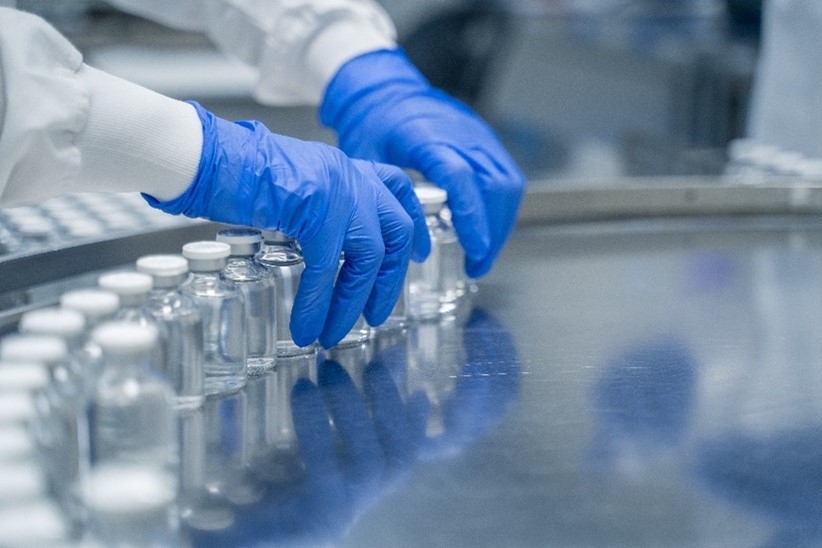
The 42,000 square foot cooling facility, developed for biotech company Amgen, will store medicine and supplies and be built next to an existing UPS Healthcare cooler. Amgen first opened a logistics facility in Louisville in 1992. This California-based pharmaceutical company bills itself as an “international biotech company that discovers, develops, manufactures and delivers medicines for millions of patients."
“Louisville is known as a leader in healthcare and is seeing tremendous growth in the biotechnology industry,” said Roxann Fry, Lead Economic Development Project Manager for LG&E and KU. “And given that Worldport, UPS’s largest shipping and air hub, is based in Louisville, it made perfect sense for UPS to support Amgen and for both companies to grow here.
LG&E and KU’s Economic Development and Key Accounts teams have long worked with UPS, from helping them expand their global operations in the utilities’ service territories, to providing personalized customer support tailored to the needs of the logistics giant.
“UPS Worldport can ship to 80% of the world in under 48 hours. That gives you an idea of the magnitude of their operations,” said John Bevington, Senior Director, Business and Economic Development. “It’s gratifying to see our customers thrive and grow in the community and to know a company like UPS, as well as other large industries based in Kentucky, have confidence in LG&E and KU to serve as their energy provider.”
UPS Healthcare opened as a command center in 2019 for healthcare customers, focusing on the growing needs in the life sciences sector. The Worldport hub in Louisville received the first COVID vaccines in December 2020, and the shipping company went on to distribute more than a billion doses of the vaccine.
UPS operates its global air hub—Worldport—at Louisville Muhammad Ali International Airport. The 5.2‑million‑square‑foot facility, roughly the size of 90 football fields, processes about 2 million packages each day. As the energy provider for this around‑the‑clock operation, LG&E and KU plays a crucial role, supplying redundant gas and electric infrastructure that is essential to keeping UPS’s operations running smoothly.