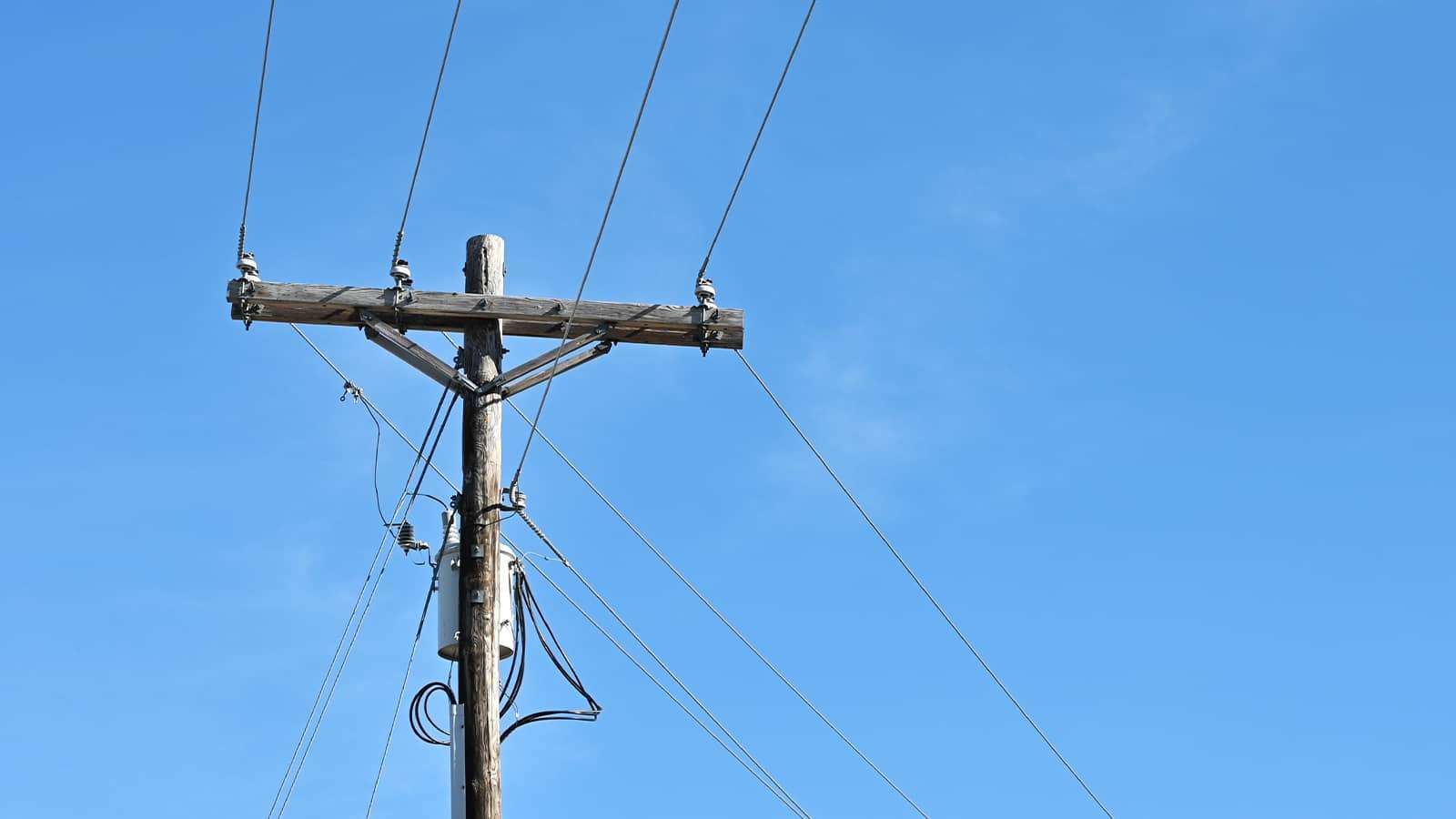
It is a question we often hear after a major storm: Why not simply move all power lines underground to protect them from wind and falling trees? While burying lines might
seem like the perfect solution for reliability, the reality involves a complex balance of cost and maintenance.
Transitioning an entire existing overhead system to underground is an enormous undertaking that carries significantly higher costs than traditional overhead construction. As a company committed to providing energy that is both reliable and resilient, we must ensure these infrastructure investments remain affordable for all our customers. Additionally, as new areas are constructed and need power, we normally run our lines underground alongside other utilities. However, at some point the lines always connect to a structure above ground.
Beyond the initial construction price tag, underground lines present unique challenges when a problem does occur. While they are safe from the wind, they are still vulnerable to issues like digging or equipment failure. Finding the exact location of a defective cable deep beneath the surface is much more difficult than spotting a damaged wire on a pole. This is why we continue to invest in smart devices and grid upgrades that help our crews identify and isolate outages faster.
Visit lge-ku.com/outage-help-topics for more frequently asked questions and answers on outages.